We are a Theravada Buddhist temple serving the community of London and beyond. Established as part of a global lineage that stretches back over a century, our temple is a home for all who seek peace, clarity, and a deeper understanding of the Buddha's teachings. Whether you are new to meditation or a lifelong practitioner, you are warmly welcome here.
The Dhammakaya tradition is one of the most distinctive and far-reaching streams of Theravada Buddhism in the modern world. Its foundations lie in the great determination of Phra Mongkolthepmuni (Luang Pu Sodh Candasaro), the late abbot of Wat Paknam Bhasicharoen, who dedicated his life to the rediscovery and propagation of Dhammakaya meditation — with the aspiration to promote true peace on earth.
From that one man's resolve, a lineage was born. A lineage passed from master to student, across generations, all the way to the heart of London.


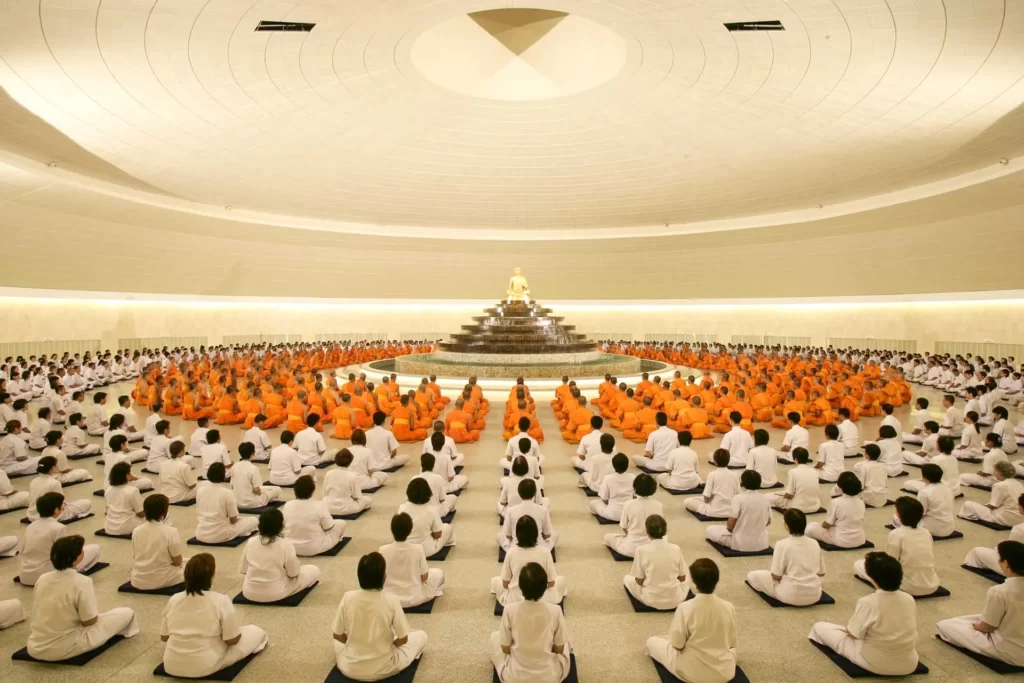
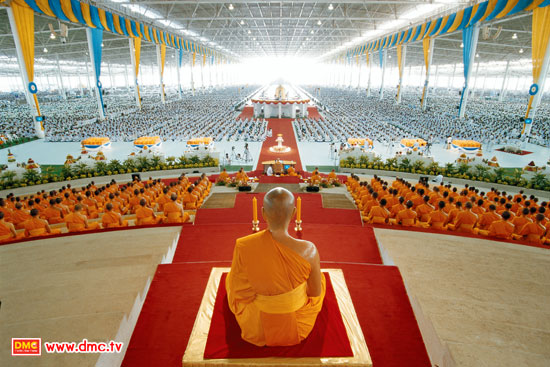
.jpg)
Luang Pu Sodh Candasaro, also known as Phramongkolthepmuni, was a Thai Buddhist monk who served as the abbot of Wat Paknam Bhasicharoen from 1916 until his death in 1959. He founded the Thai Dhammakaya school in the early 20th century.
Born into a humble rice-merchant family in Suphanburi Province, young Sodh received his education from the temples of his day. At fourteen, when his father died, he took on the responsibility of supporting his family. Successful as he was in trade, his compassionate heart led him to resolve, at age nineteen, to become a monk for life. He was ordained in July 1906 at the age of twenty-two, receiving the monastic name Candasaro — meaning "the One with a Bright Radiance like the Moon." From the very next day, he began his lifelong pursuit of meditation.
After years of travelling throughout Thailand to study under masters of both the oral meditation tradition and scriptural analysis, he was still not fully satisfied. In the eleventh year of his ordination, during the rains retreat of 1916, he sat down in the main shrine hall at Wat Botbon, resolving not to waver in his meditation practice, whatever might disturb his focus. That same night, he attained in meditation what became known as the Dhammakaya — marking the beginning of the Dhammakaya tradition as we know it.
Renowned for teaching a profound Vipassana technique called Dhammakaya meditation, his teachings reveal a refined inner body — the Dhammakaya — that resides within every human being. His famous saying, "Stop Is the Key to Success," captures the very essence of this powerful method. He devoted his life to teaching this meditation, attracting monks, novices, and laypeople from across Thailand to Wat Paknam.
After 53 great years dedicated to Buddhism and the monkhood, the Great Master passed away peacefully on 3 February 1959 at the age of 74. Though he has been gone for more than six decades, his teachings and legacy continue to live on in the hearts and minds of disciples around the world.

.jpg)
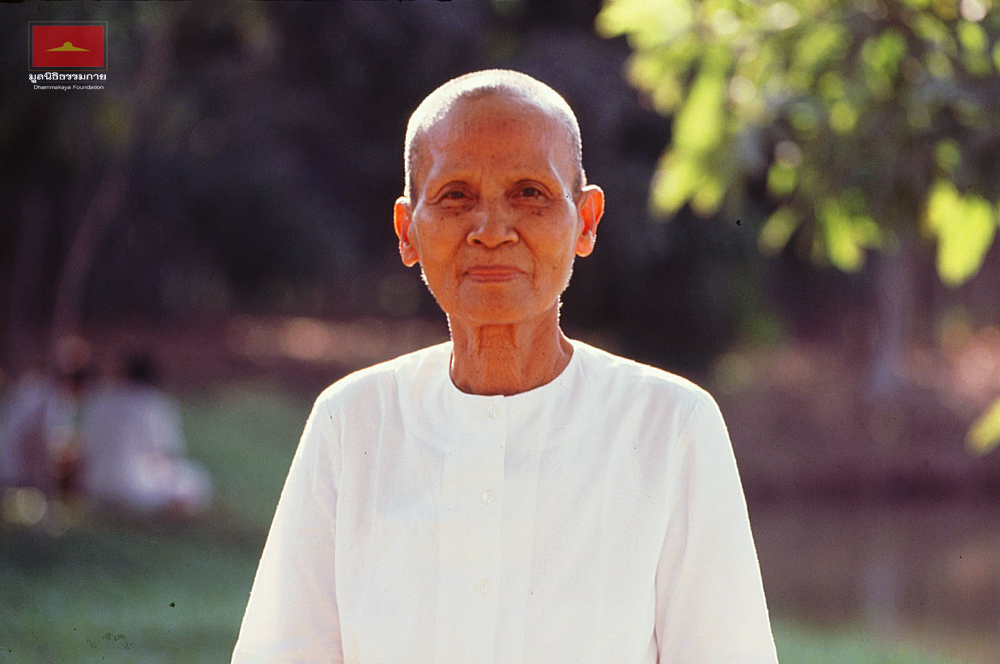
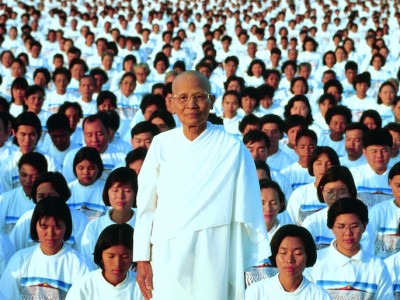
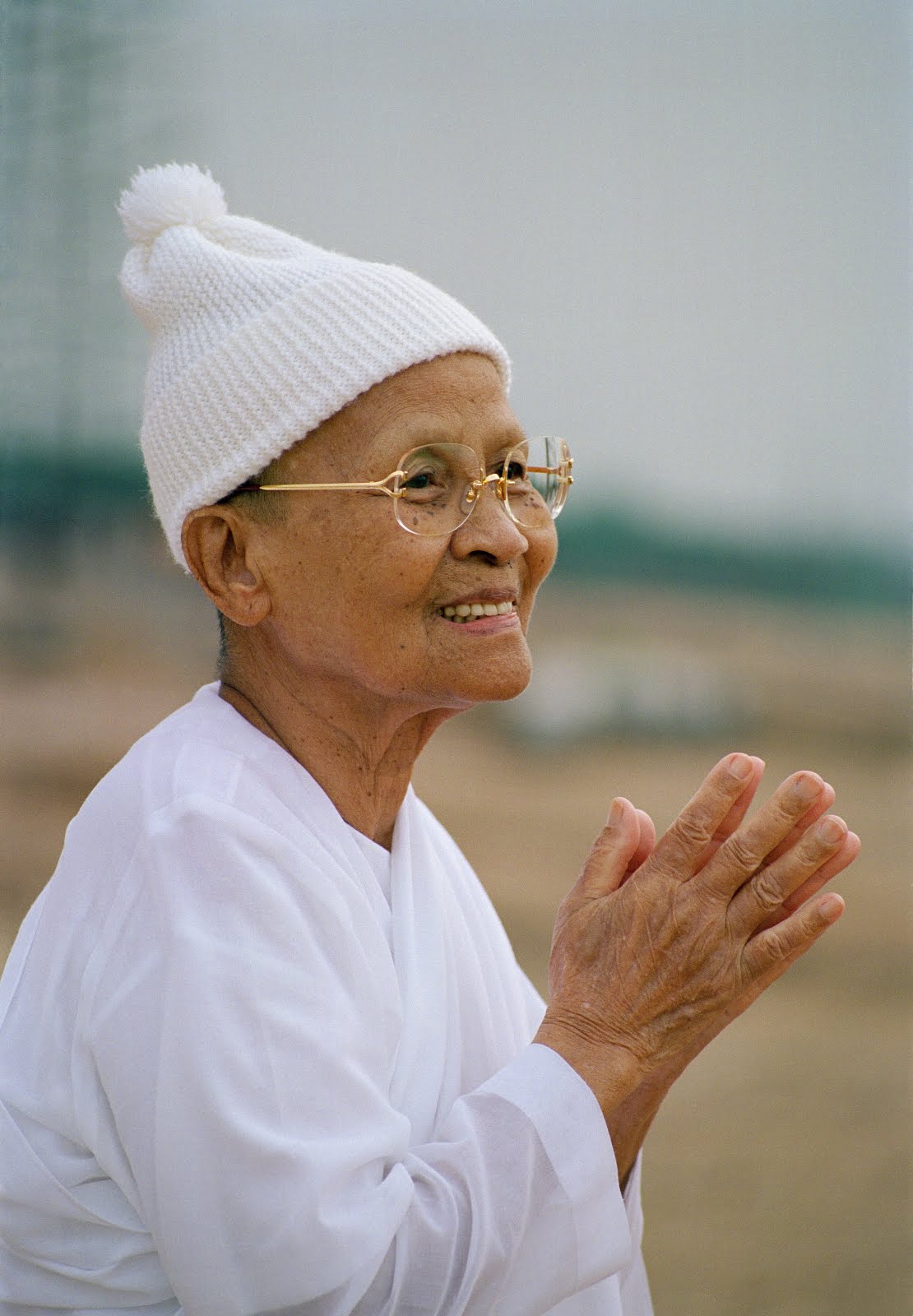
Chand Khonnokyoong was a Thai Maechi (nun) who founded Wat Phra Dhammakaya. Religious studies scholar Rachelle Scott has described her as "the most influential female meditation teacher in Thailand." Her own students lovingly call her Khun Yay Achan Mahā-ratana Upasika Chandra Khonnokyoong — an honourific name meaning "grandmother-master-great-gem devotee."
Born on 19 January 1909, to a family of rice farmers in Nakorn Pathom Province, she was the fifth of nine children. From her earliest years, she was known for extraordinary diligence and determination — qualities that would define her entire life.
Drawn by a deep longing to seek forgiveness from her late father, and to understand the nature of life beyond death, she set out on a spiritual journey. In 1937, she heard of Luang Pu Wat Paknam, who was teaching disciples to access the realms of existence through the power of meditation. She resolved to learn from him, making her way to Bangkok and eventually to Wat Paknam. When she finally met Luang Pu Sodh, he addressed her with the words: "You are too late!" — as though they had known each other before. He immediately allowed her to join an experienced group of meditation practitioners without any probation or testing — a highly unusual privilege.
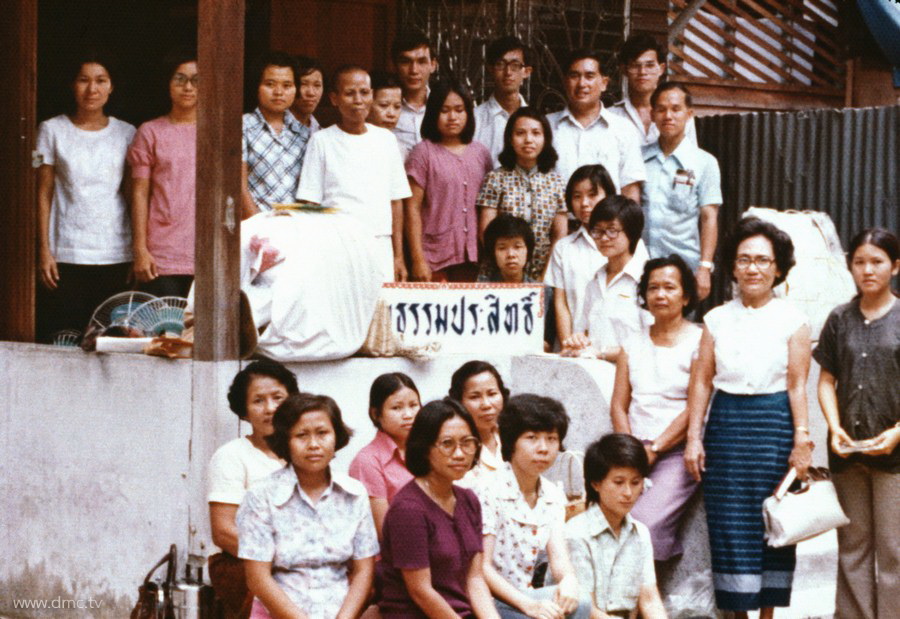
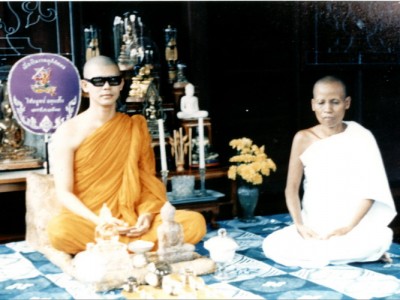

She meditated twelve hours each day — six uninterrupted hours in the morning and six in the evening. Her skills became so profound that she soon became one of the Great Master's most outstanding disciples. He praised her with the words: "Second to None."
After Luang Pu Sodh passed away in 1959, Khun Yay continued to transmit the Dhammakaya tradition to a new generation at Wat Paknam Bhasicharoen. As the number of students grew beyond what the temple could hold, she took the bold step of founding an entirely new centre. Having only 3,200 Baht to their name, a group of practitioners headed by Maechi Chandra began establishing the temple on an 80-acre plot of paddy-field donated by a generous benefactor. It was first officially established on Magha Puja Day, 20 February 1970.
The remarkable spirit of Khun Yay was not limited to founding Wat Phra Dhammakaya — she also established a centre where millions of devotees could practise generosity, observe precepts, and meditate, and helped build temple centres worldwide. Despite being illiterate herself, she had the ability to guide people from all backgrounds and walks of life toward happiness and inner peace. She passed away peacefully on 10 September 2000 at the age of 91, leaving behind a legacy that continues to inspire all who follow this path.
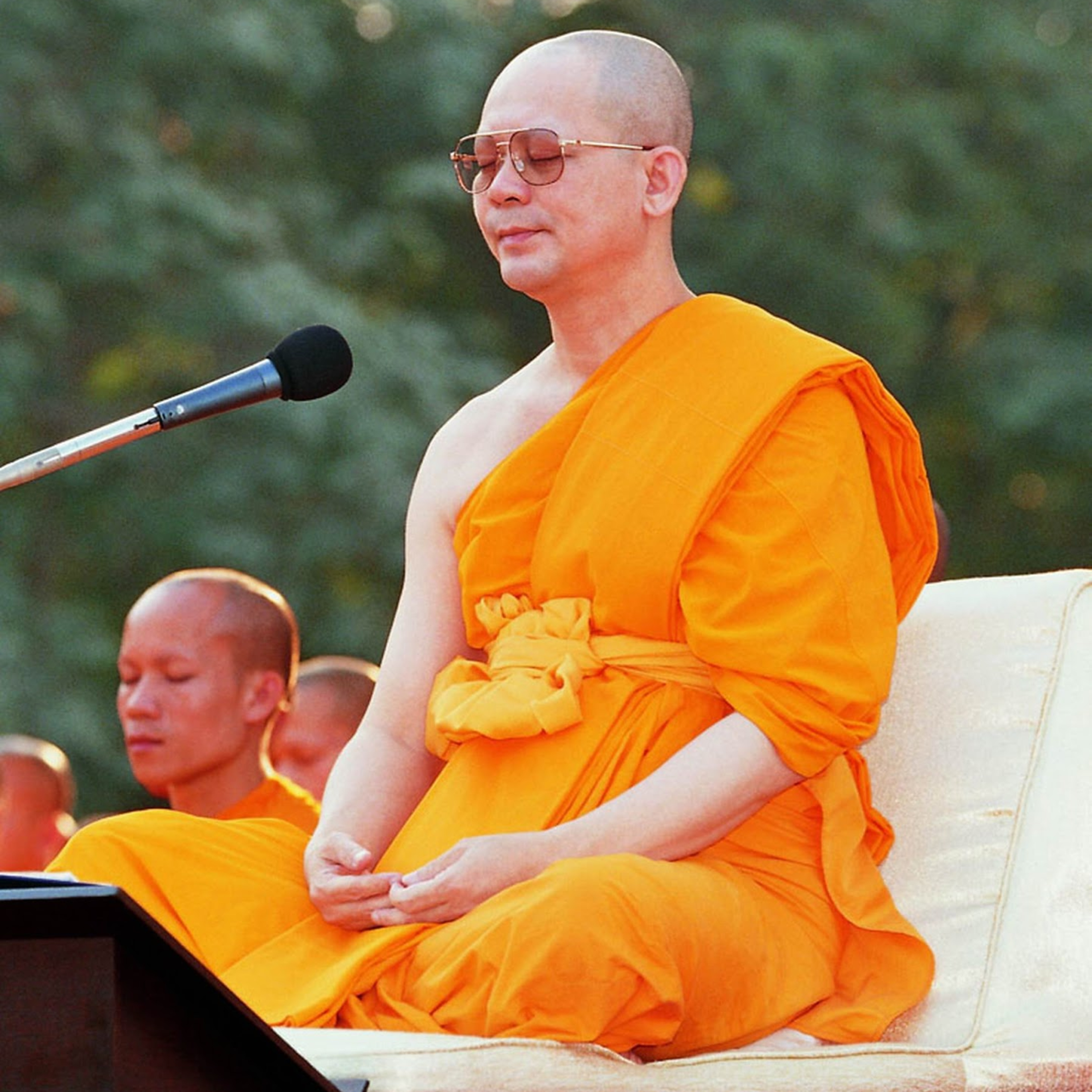
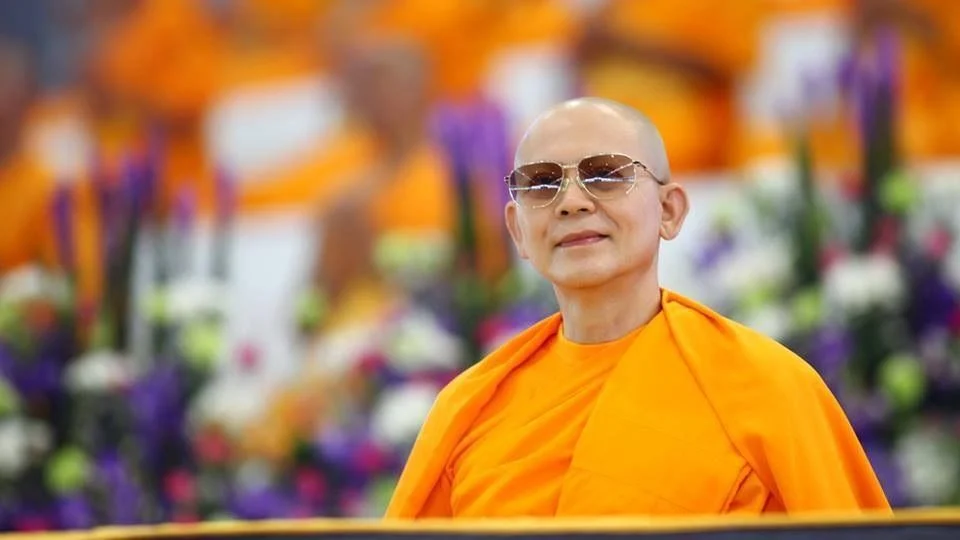
Luang Por Dhammajayo, also known by his lay name Chaiyabun Suddhipol, is a Thai Buddhist monk and the most well-known teacher of Dhammakaya meditation. He is a student of Master Nun Chand Khonnokyoong, and his approach to Buddhism seeks to combine the meditative life with modern personal ethics and social prosperity.
Born in Sing Buri Province, Chaiyabun developed a strong interest in reading from a young age — especially books on Buddhist practice and the biographies of great people. From his teens, he found himself asking the deepest questions: Why are we born? What is the purpose of life? Where do we go after we die?
It was during his university years at Kasetsart University that he first encountered Khun Yay Chand, a student of the late Luang Pu Sodh. Khun Yay agreed to accept him as her student and, under her guidance, Chaiyabun attained a deeper understanding of Buddhism. Wishing to ordain during his studies, he was persuaded by Khun Yay and his father to first complete his degree — so that he could offer greater benefit to the world with both worldly and spiritual knowledge.
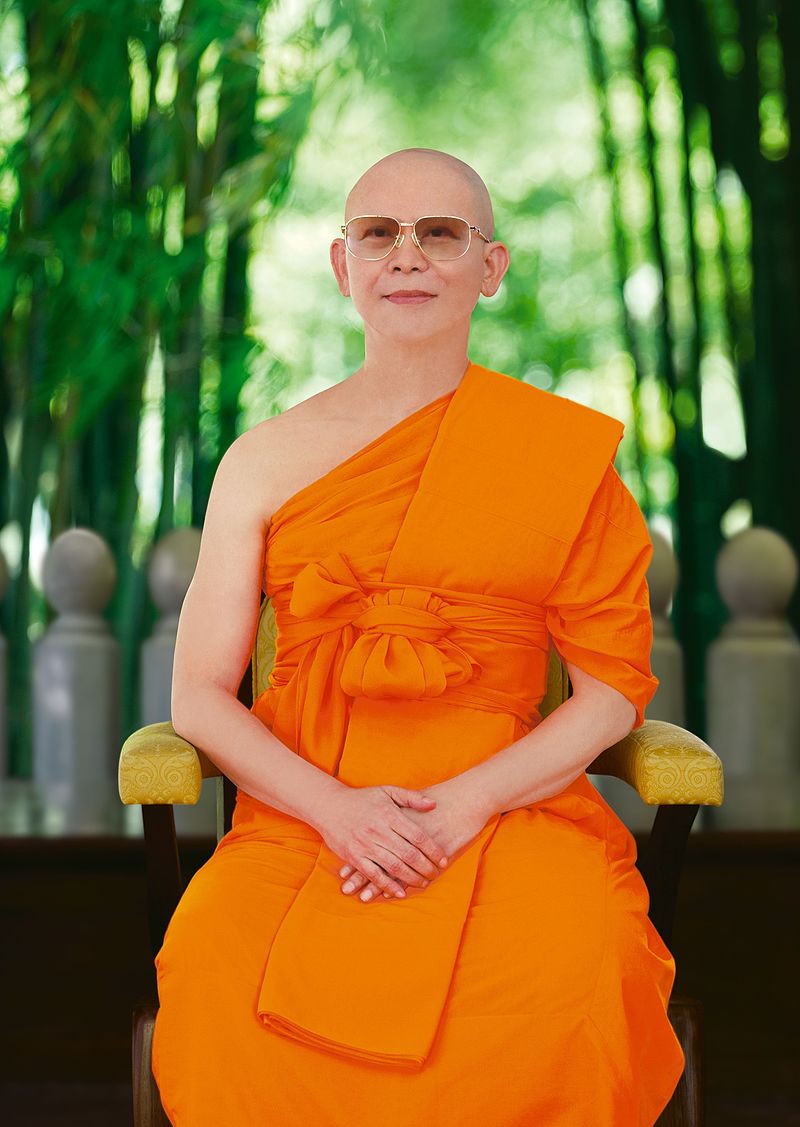
On 27 August 1969, on an auspicious full-moon day, Chaiyabun donned the saffron robe and was ordained at the chapel of Wat Paknam Bhasicharoen. He received the monastic name "Dhammajayo" — meaning "The victor through Dhamma."
Together with Khun Yay, he taught meditation to a growing community of students. As numbers swelled beyond all capacity, they moved to a new plot of land donated in a remarkable act of generosity, and on Magha Puja Day 1970, Wat Phra Dhammakaya was born. Over the following decades, Luang Por Dhammajayo devoted more than fifty years of his life to the propagation of Buddhism and Dhammakaya meditation, attracting millions of devotees in Thailand and establishing over 80 branches in 33 countries around the world.
His vision was always global: to share the gift of inner peace with every nation, every culture, and every person who sought it. It is from this vision that the Dhammakaya London Temple came to exist.

.jpg)
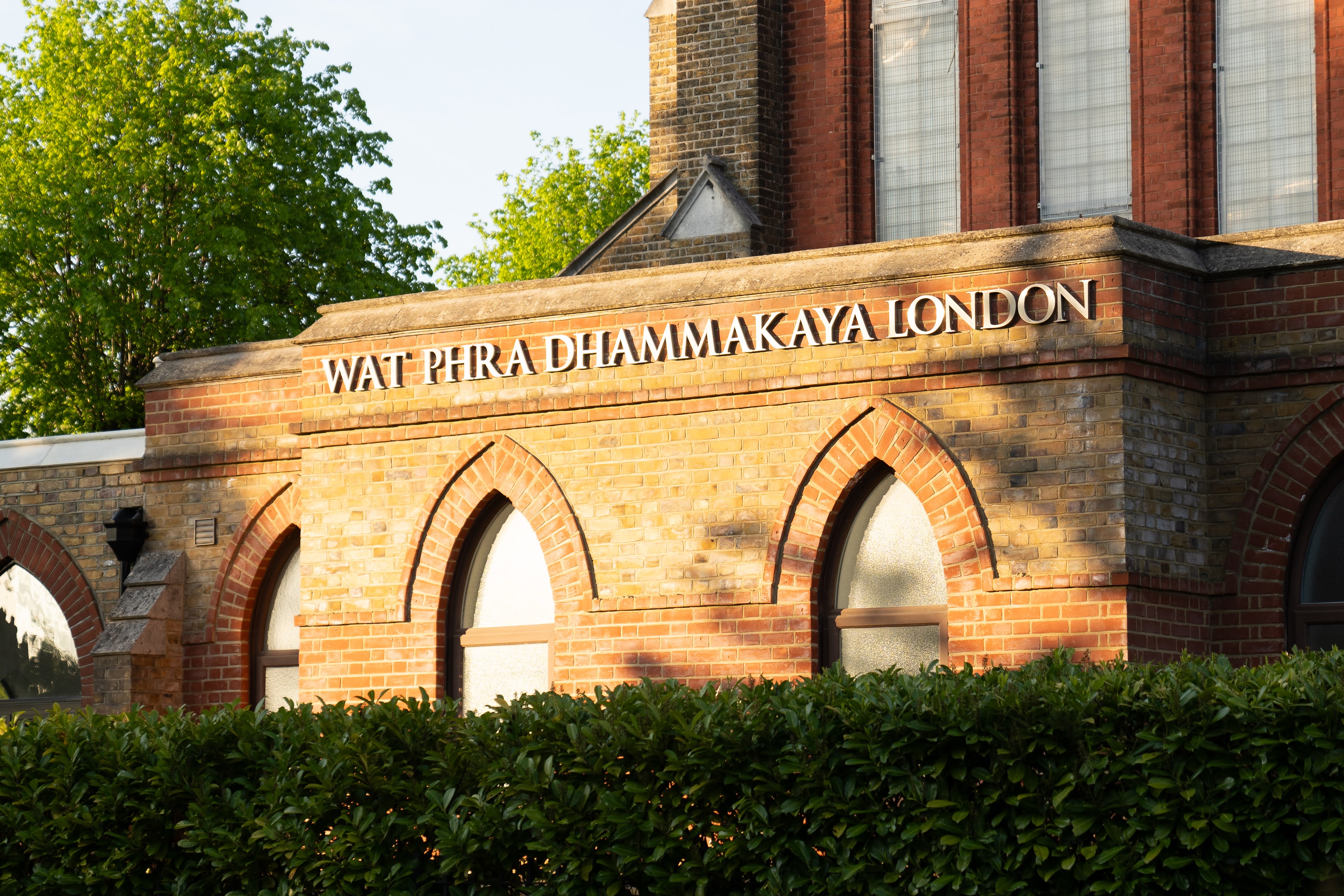

The Dhammakaya movement has had a pioneering role in establishing Buddhist practice in England since 1954. The first English temple was established in Wimbledon, London, in April 1999.
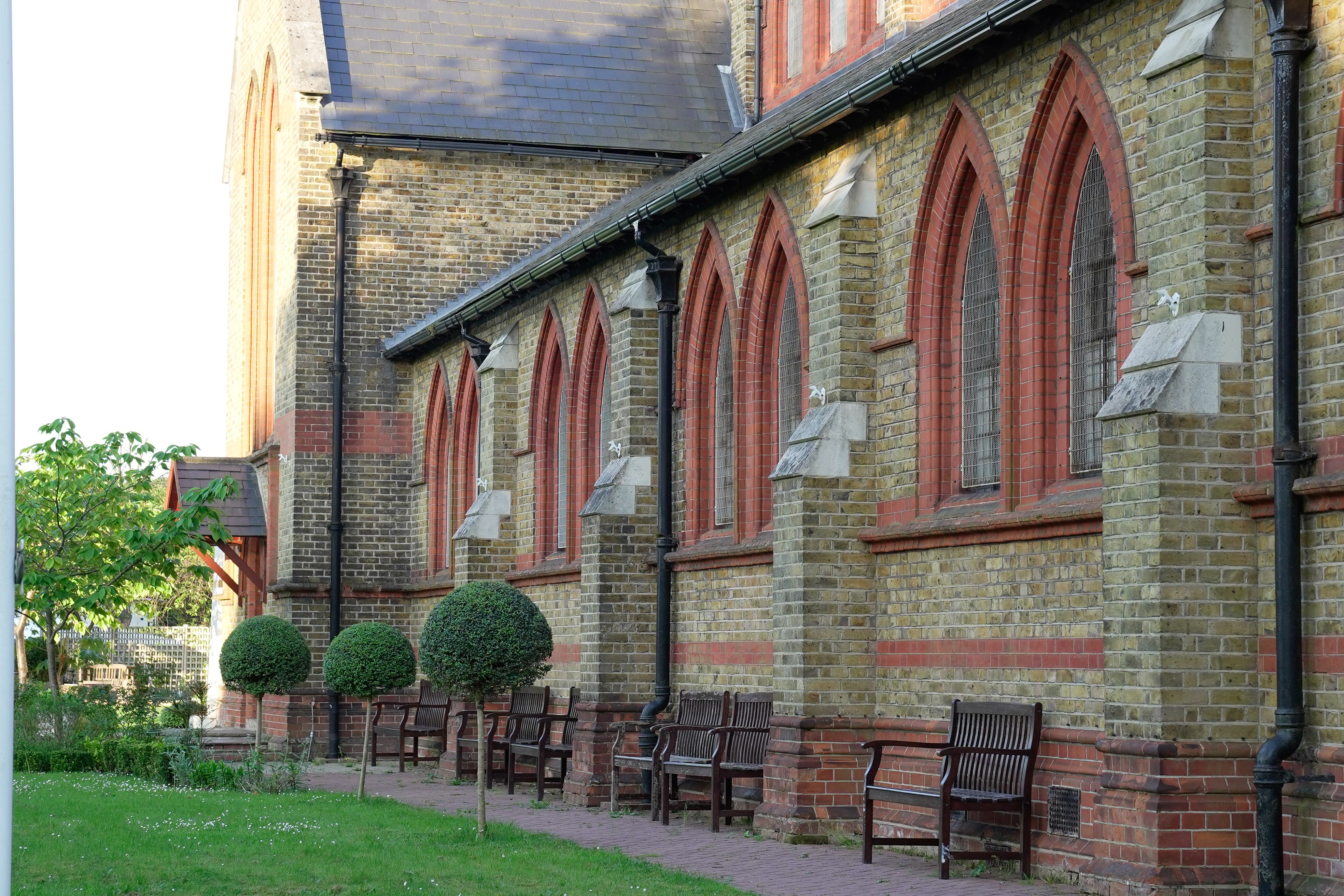
In 2004, the London temple negotiated the purchase of the old Brookwood Hospital Chapel at Knaphill — a building that had been derelict for six years at the time of purchase. With considerable effort and dedication, the building was converted and refurbished into a functioning Buddhist centre. It was officially opened by Woking's Mayor on 28 October 2007, and it officially became registered as Wat Phra Dhammakaya London.
Today, our temple is a thriving spiritual home for the Thai community, English-speaking practitioners, and visitors from many backgrounds. We have been involved in Buddhist policy-making in the UK, and in 2006 the London Temple became the first in Europe to introduce the Sanam Luang Dhamma studies — a three-tier system for training in the theoretical knowledge of Buddhism.
We are part of a living tradition — one that began in the heart of a young monk sitting in stillness over a century ago, and that now reaches into the heart of London.
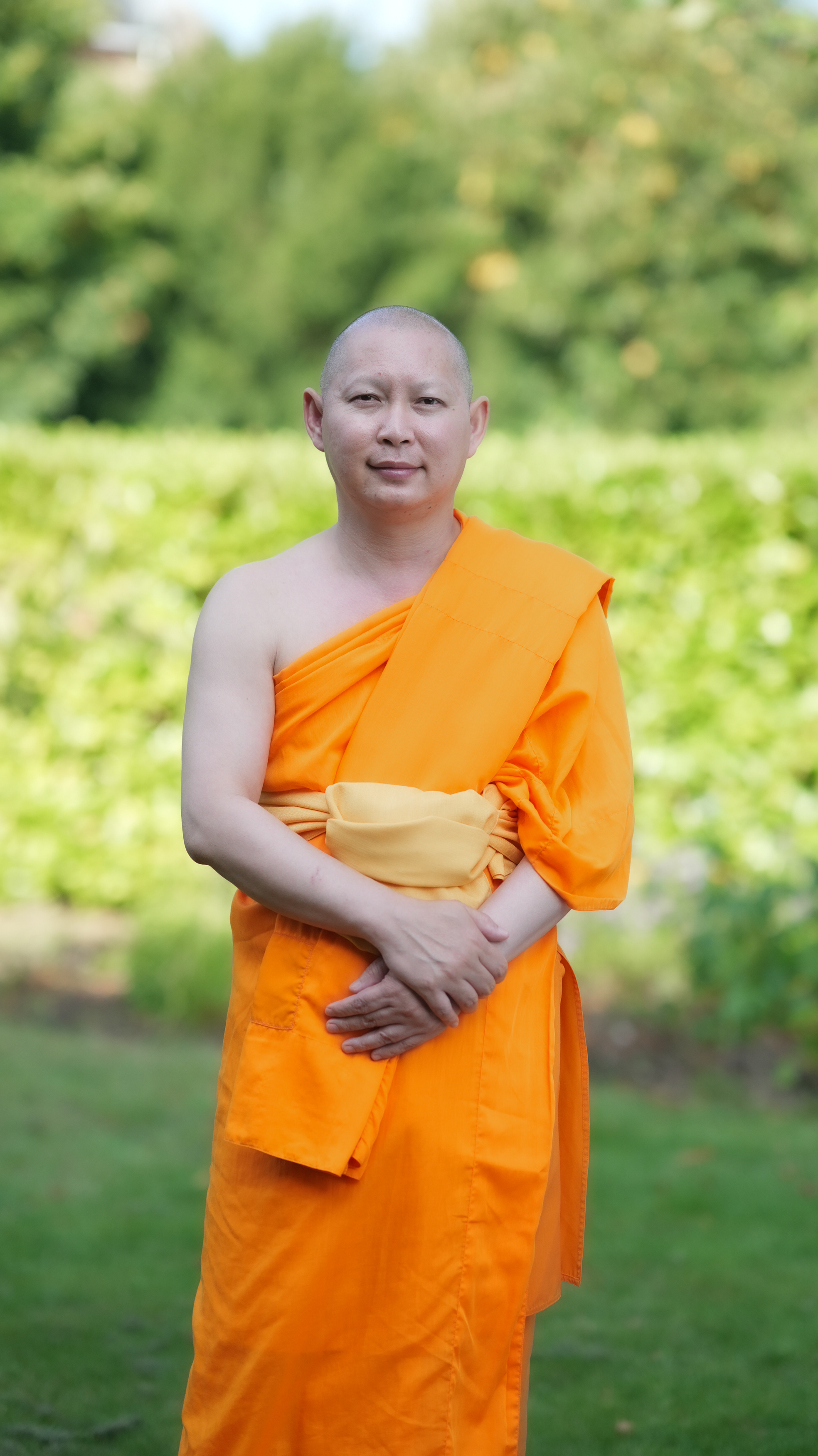
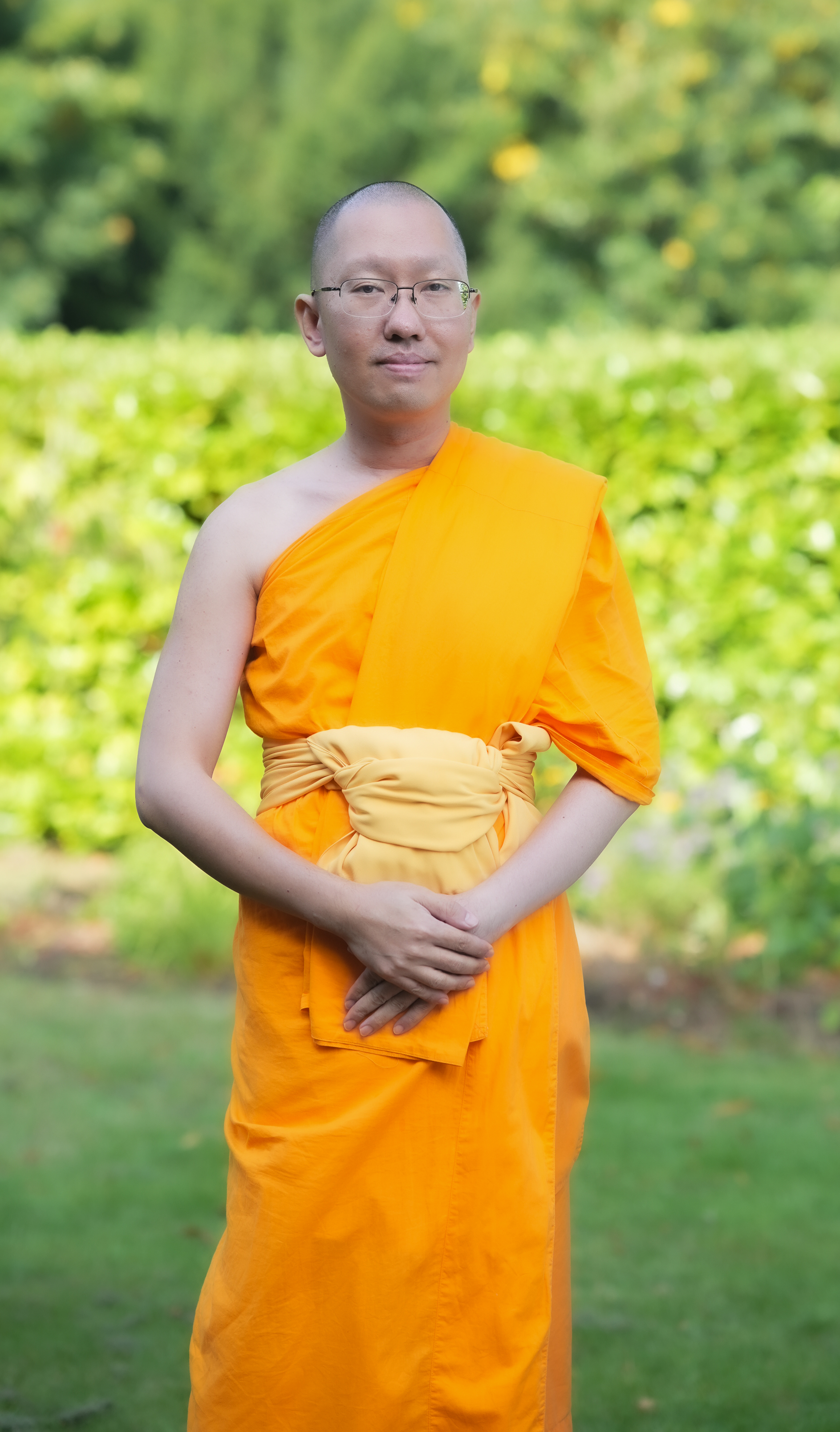
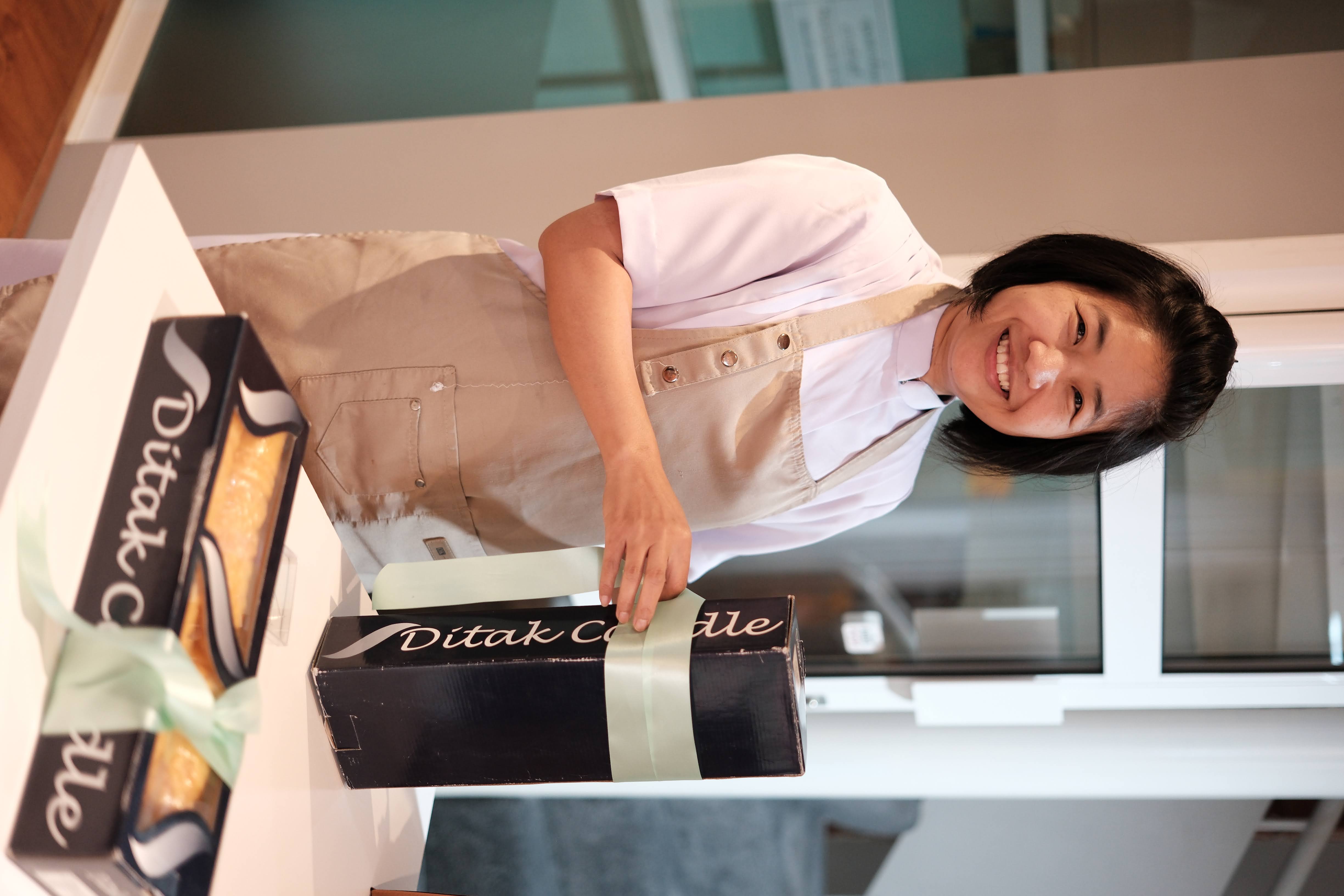
Discover the dedicated team guiding our meditation classes, events, and community programmes. Each member is here to support your journey, answer your questions, and help you feel at home in our inclusive space.



.jpg)
.jpg)
.jpg)
.jpg)
.jpg)
.jpg)
.jpg)